Shopping for a new bike is an exciting, but there are so many options, it can be overwhelming. You have to think about what kind of riding you'll be doing and how much you have to spend before you can even get to picking a color. Use this guide to find a bike that suits all your needs.
Shop Related Products
1. Where You’ll Be Riding
Different types of bikes cater to specific needs. Like mountain bikes are for off-roading, road bikes are for paved roads, and so on. Think about whether you want to hit the trails, commute to work, or navigate city streets. That will dictate which cycling discipline you’ll be in.
2. How Much You Want to Spend
This is just as important as the type of bike you need. Prices vary significantly based on brand and features. Set a realistic budget that balance quality and affordability. Then you’ll get the best value for your investment.
3. What Brand You Want to Buy
There are tons of reputable cycling brands. Like Yeti, Santa Cruz, Diamondback, and Nukeproof. Check customer reviews and feedback to get insight into performance, durability, and overall rider satisfaction. Especially for particular bike models.
4. The Frame Size You Need
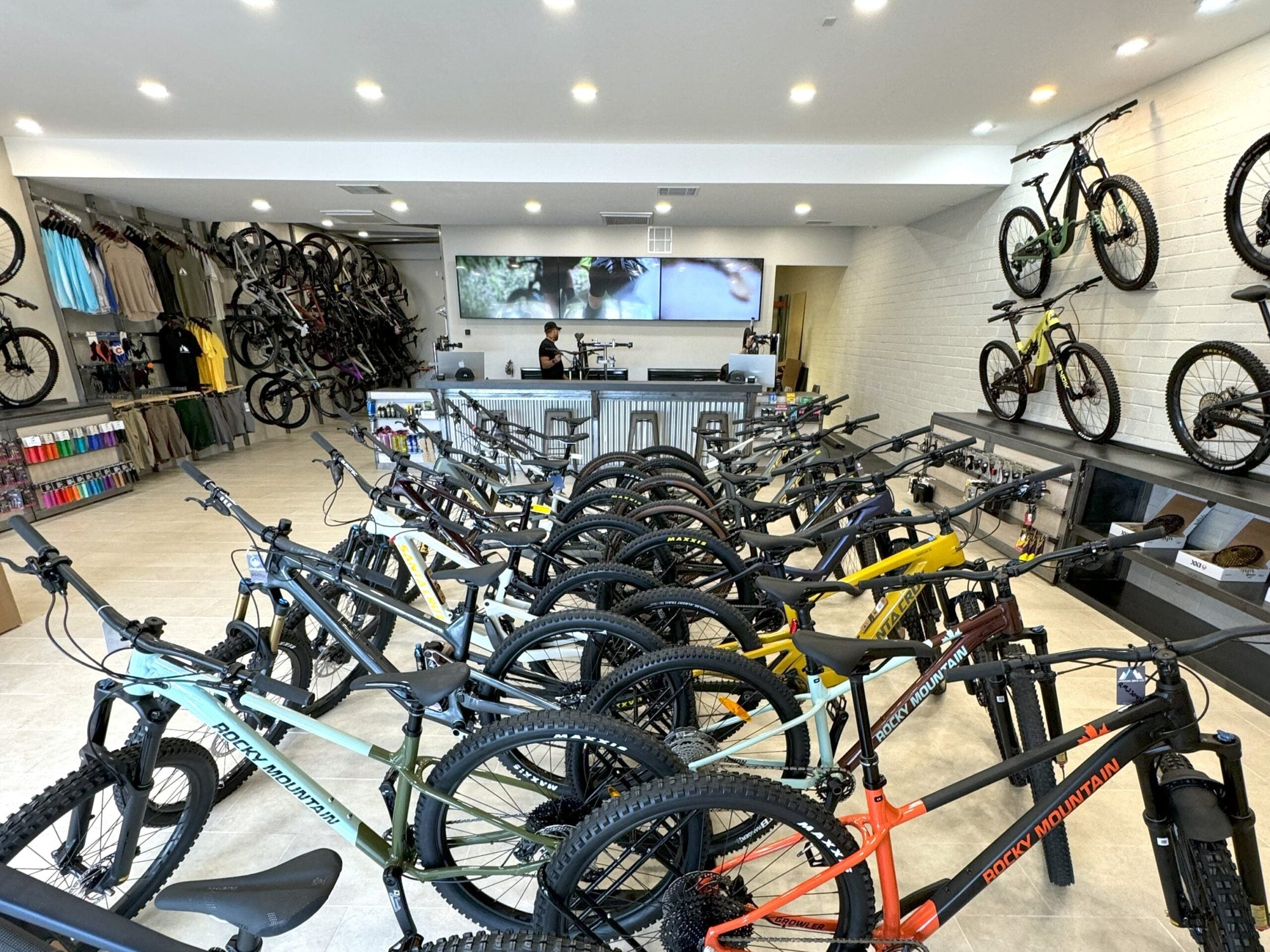
Bikes come in tons of different sizes to work for kids and adults. The best thing you can do is get professionally measured at at bike shop. Or research which size works for your height and weight. The right fit gives you a comfortable riding position and minimal chance of injuries.
5. The Frame Material You Want
Frames also come in different materials. Most commonly carbon, aluminum, steel and Titanium. They have unique characteristics that influence their weight, durability, and cost. Choose based on your budget and travel preferences.
6. How Many Gears You Need
Pick a gearing system that suits the terrain you’ll be frequenting. Single-speed bikes are light and easy to maintain, but not versatile enough for off-roading. Whereas multi-speed bikes have more options for different terrain. Consider the number of gears and type of shifting mechanism.
7. The Suspension You Need
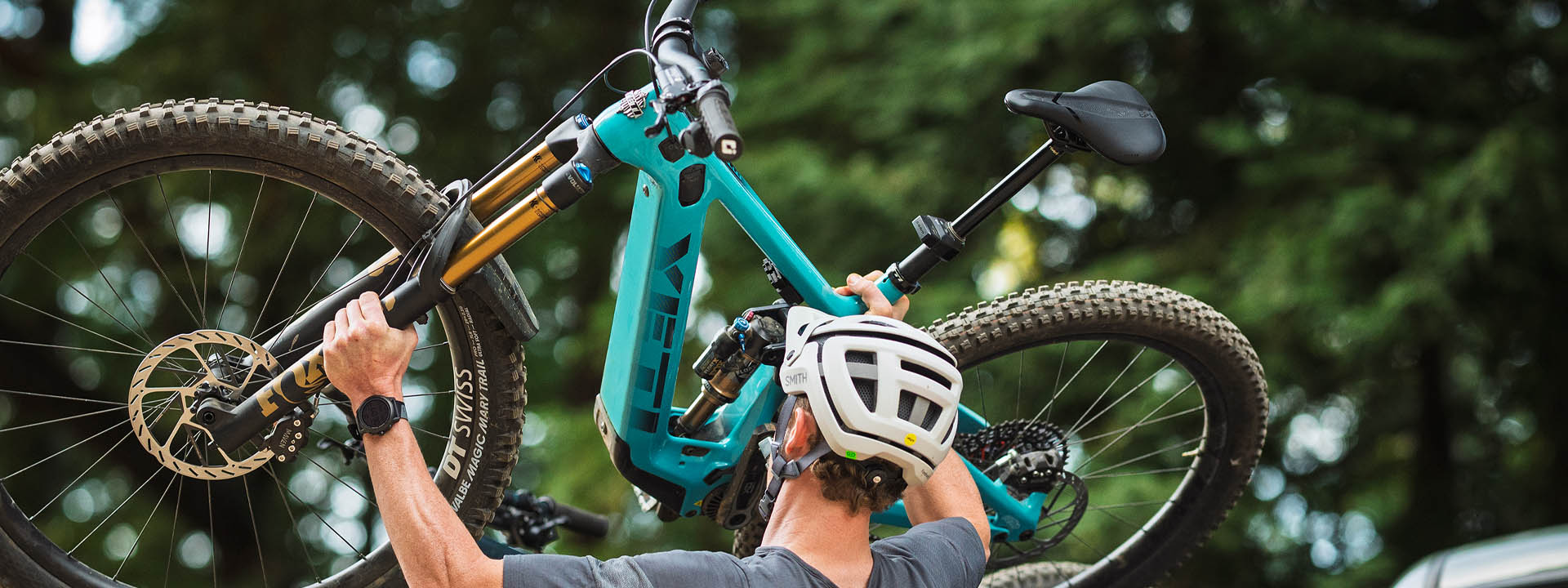
After deciding on gears, focus on the type of suspension. Hardtail mountain bikes have just a front suspension. They’re meant for cross-country riding, less technical trails, bikepacking and touring, urban riding and commuting. Full-suspension mountain bikes are for technical trails, as well as downhill and enduro riding.
8. The Brake System Options
Rim brakes are light, affordable, and easy to maintain, adding minimal weight to your bike. They’re best for dry conditions. Disc brakes are more expensive, but they offer superior stopping power in all conditions. Especially on wet and muddy ground or steep descents.